

MASTERING THE TOUGHEST-TO-CRAFT
CREDIBILITY ARGUMENTS
(presentations of 4 to 6.5 hours of teaching time)
8:30 - 10:00 a.m. (the 6.5-hour agenda)
- Credibility, the every-case argument: deception vs. error
- Argument: Consider the source
- Deposition: cross-examiner's laboratory
- Seminar's dramatis personae introduced
- Four no-major-talent-required arguments:
- Inconsistent statements
- Ability to see/hear flawed
- Motive to deceive
- Rebutted by information external to witness
- Three pressure-point arguments:
- Engaged in unreasonable question-dodging
- Unreasonably overstated or understated the truth
- Flunked the good citizenship (values) test
- Deposition admonitions: the right ones, and their rationale
- The best-ever movie made relevant to cross-examination
- Axiom to The Un-Reasonables proffered
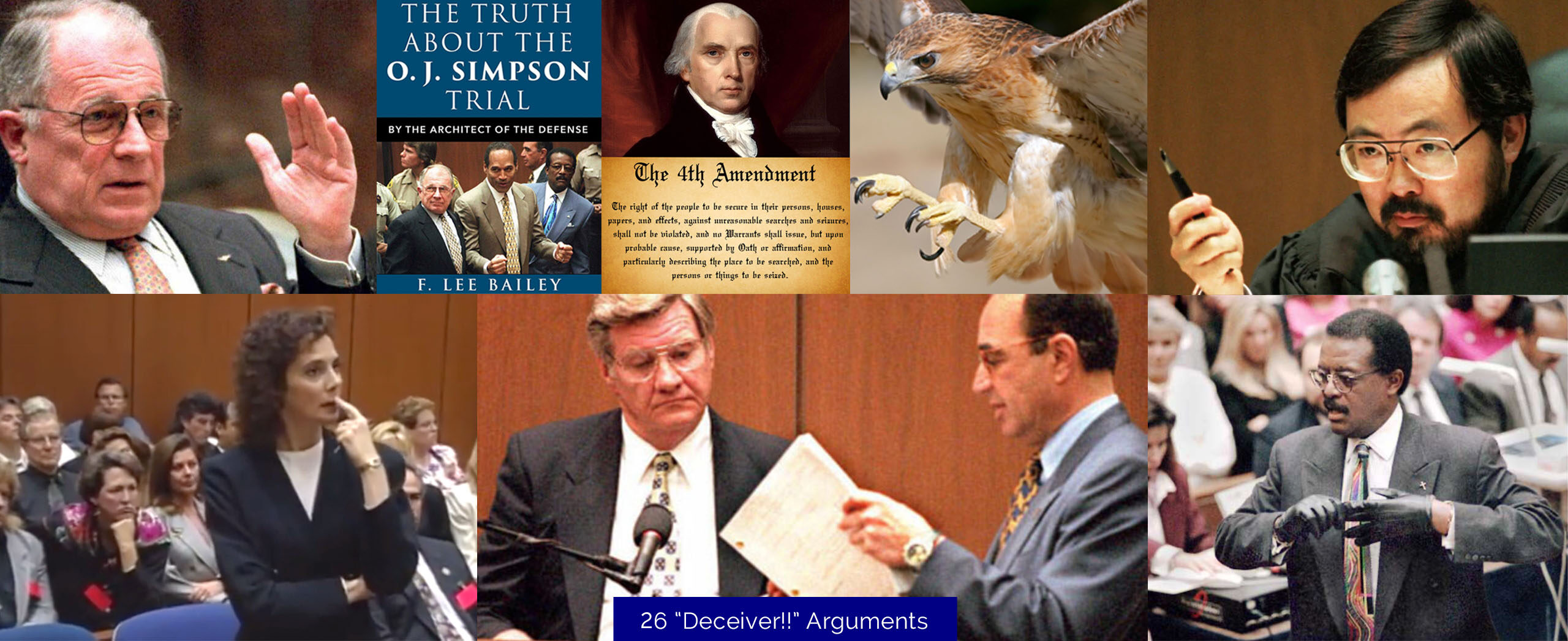
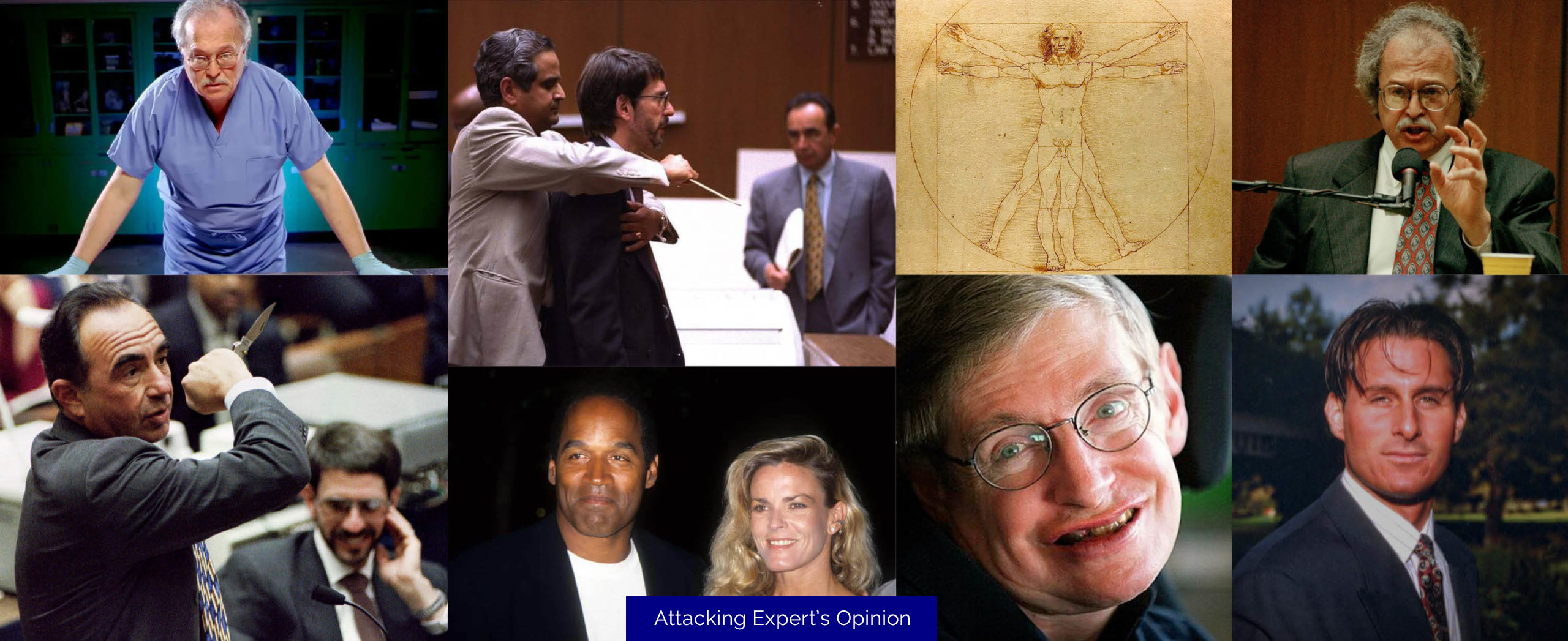
- World-famous cross-examination analyzed
10:00 - 10:10 a.m. Break
10:10 - 11:20 a.m.
- Leading, rhetoricating, & reasoning with the resistant witness
- Argument: Witness's action was not reasonably consistent with his with his knowledge and/or motivation.
- Argument: Witness unreasonably deviated from a practice.
- Argument: Witness unreasonably deviated from a precedent.
- Argument: Witness unreasonably deviated from a subsequent.
11:20 - 11:30 a.m. Break
11:30 - 12:30 p.m.
- Argument: Witness not reasonably knowledgeable
- Argument: Witness not reasonably considering
- Attacking witness's "I had a burden that justified my choice of action."
12:30 - 1:30 p.m. Lunch
1:30 - 2:50 p.m.
- Argument: Witness did not reasonably reason.
- Argument: Witness's memory was unreasonably poor.
2:50 - 3:00 p.m. Break
3:00 - 4:30 p.m.
- Argument: Witness's memory was unreasonably poor. (cont.)
- Argument: Witness was not reasonably motivated.
- Argument: Witness was not reasonably emotional.
- Argument: Witness's admission was necessary, not virtuous.
